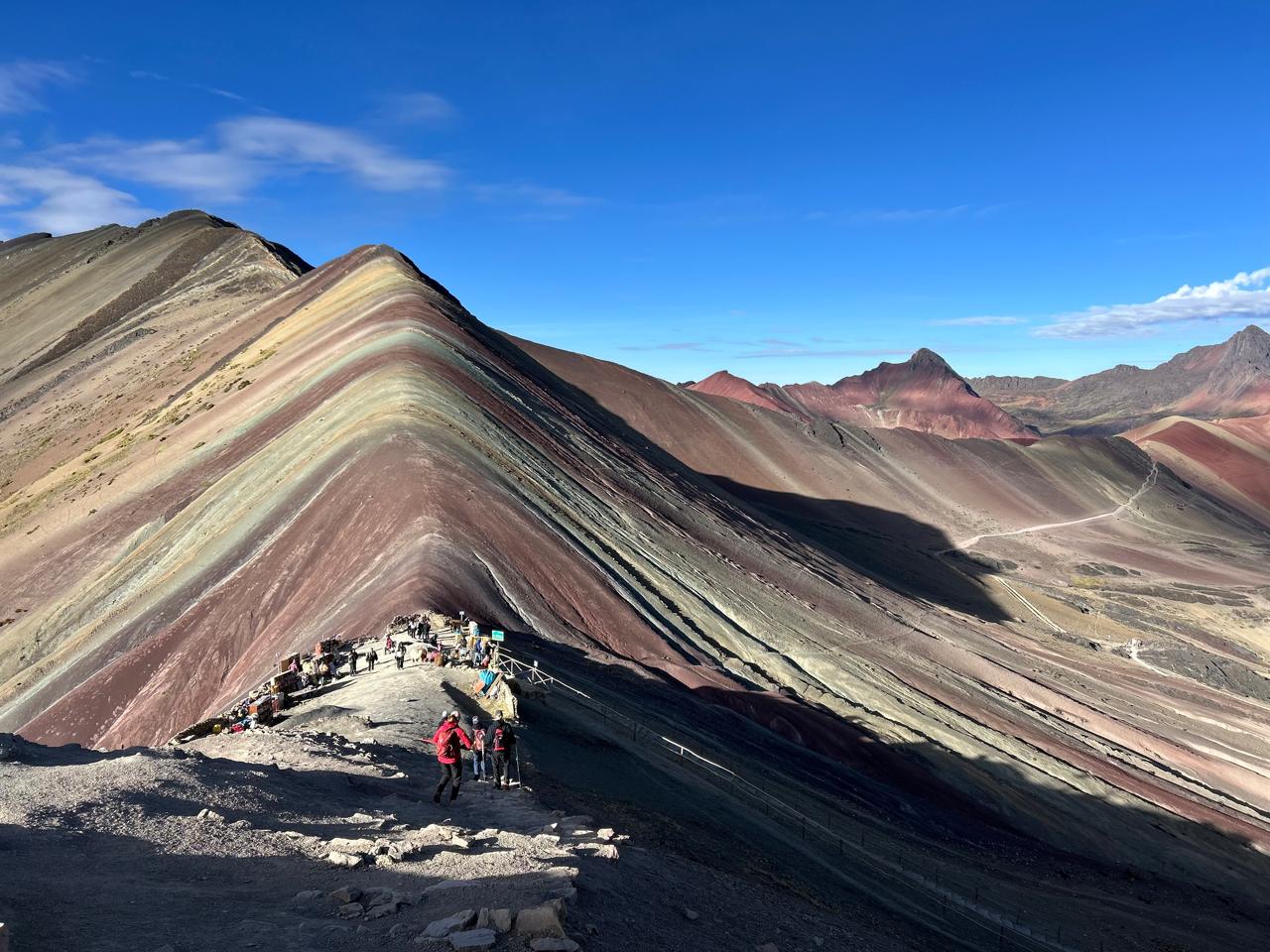
Ausangate, Rainbow Mountain Travel Information
What should you bring?
- Sturdy waterproof hiking boots: Broken-in leather or synthetic boots with ankle support and vibram-style traction soles. (Do not bring brand-new, unbroken-in boots).
- Waterproof & windproof shell jacket: Gore-Tex or equivalent breathable waterproof jacket with a hood.
- Waterproof rain pants or hardshell pants: Essential for sudden mountain showers and high-pass wind protection.
- Heavy down/insulated jacket: 700+ fill power down or heavy synthetic jacket for freezing camp nights (temperatures drop below 20°F / -7°C).
- Thermal base layers (2–3 sets): Merino wool or synthetic long-sleeve tops and bottoms (avoid cotton).
- Trekking tops & T-Shirts (3–4): Quick-dry, moisture-wicking synthetic or merino wool shirts.
- Trekking pants (2 pairs): Lightweight, stretch-woven hiking trousers.
- Warm fleece or mid-layer jacket: For layering during morning hikes.
- Thermal fleece beanie & neck gaiter/buff: For cold pass crossings and chilly camp evenings.
- Heavy windproof / waterproof gloves: Plus a light pair of inner liner gloves.
- Broad-brim sun hat / cap: Crucial for intense UV exposure at 14,000+ ft.
- Hiking socks (4–5 pairs): Heavyweight merino wool trekking socks.
- Daypack (20L to 30L): For your daily essentials (water, extra layers, camera, sunscreen, raincoat) with an integrated rain cover.
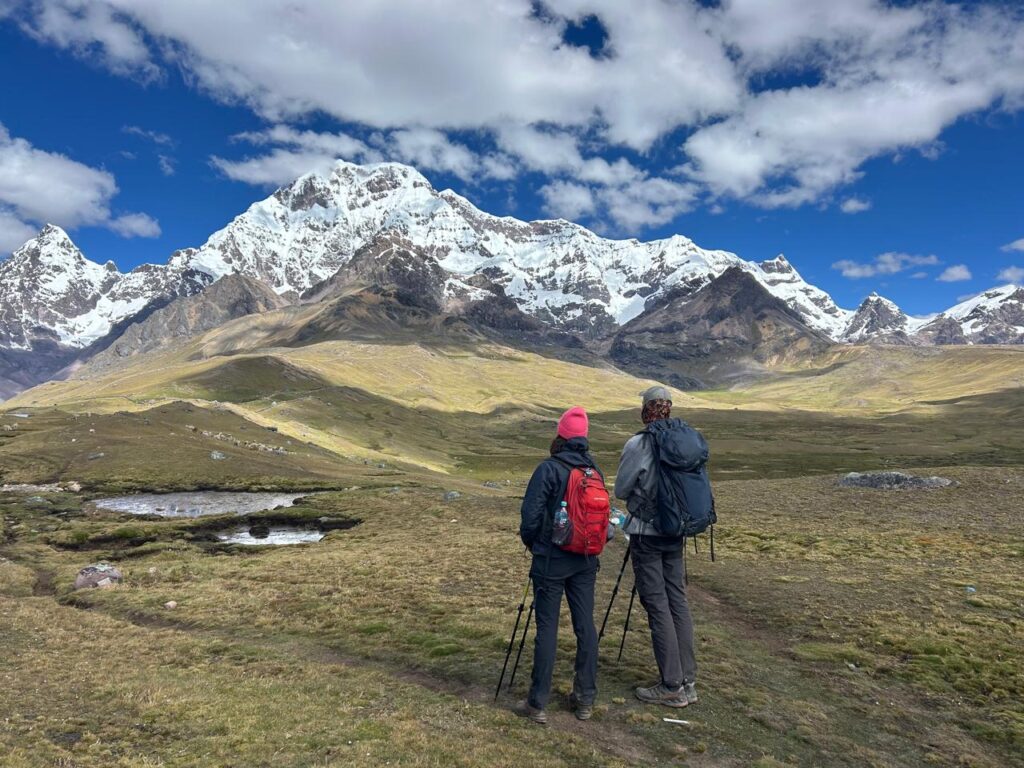
- Adjustable trekking poles: Strongly recommended with rubber tips to reduce joint impact on steep scree descents.
- Headlamp: High-lumen headlamp with extra batteries or USB charging cable for camp at night.
- Hydration system (2L–3L total capacity): Insulated water bottles (Hydro Flask / Nalgene) or a hydration bladder with an insulated tube cover to prevent freezing.
- High-capacity power bank: 20,000 mAh+ power bank (batteries drain much faster in freezing high-altitude temperatures).
- Swimsuit, quick-dry towel & sandals: For relaxing in the natural thermal hot springs of Pacchanta.
Recommendations for the Ausangate Trek
Prioritize high-altitude acclimatization: We strongly recommend spending at least 2 to 3 days in Cusco or the Sacred Valley prior to your trek. This allows your body to adapt gradually to the elevation. Avoid heavy physical exertion during your first few days.
Pack the right cold-weather layers: Bring high-quality thermal base layers, a heavy down jacket, a waterproof and windproof rain shell, warm gloves, a fleece beanie, and versatile clothing layers. Nighttime temperatures drop well below freezing on the mountain.
Invest in proper footwear: Wear sturdy, waterproof trekking boots that are well broken-in with ankle support. Bring a second pair of lightweight shoes or sandals to relax in around camp.
Bring a sub-zero sleeping bag: Choose a sleeping bag rated for below-freezing conditions—ideally with a comfort rating down to 5°F (-15°C). Always confirm with your tour operator if sleeping bags and insulated sleeping pads are included in your trek package.
Protect yourself from intense sun: Apply broad-spectrum sunscreen (SPF 50+), wear high-SPF lip balm, and use UV-400 polarized sunglasses. High-altitude UV radiation in the Andes is extreme, even on overcast or cloudy days.
Keep electronics warm & bring power banks: Sub-zero temperatures drain camera and phone batteries quickly. Keep your devices inside warm jacket pockets or inside your sleeping bag at night, and pack a high-capacity portable power bank.
Stay hydrated & fueled: Drink water consistently throughout the hike to fight off dehydration and altitude symptoms. Carry personal energy snacks (such as energy bars, nuts, or dried fruit) for demanding pass ascents.
Monitor altitude sickness & health: The Ausangate Trek stays almost entirely above 13,000 feet (4,000 m). Familiarize yourself with the symptoms of Acute Mountain Sickness (AMS) and notify your guide immediately if you feel unwell. Consult a travel medicine professional beforehand regarding preventive altitude medications (like acetazolamide/Diamox).
Train your physical endurance: Prepare ahead of time with regular cardio exercises, leg-strengthening workouts, and day hikes carrying a loaded pack. This route demands hours of sustained walking over high-pass ascents and steep descents.
Pace yourself & listen to your guide: Hike at a slow, steady pace, rest whenever needed, and follow your lead guide’s safety recommendations. If you experience severe or worsening symptoms, inform your trekking crew right away and do not continue ascending without a proper health evaluation.
Private & small group.
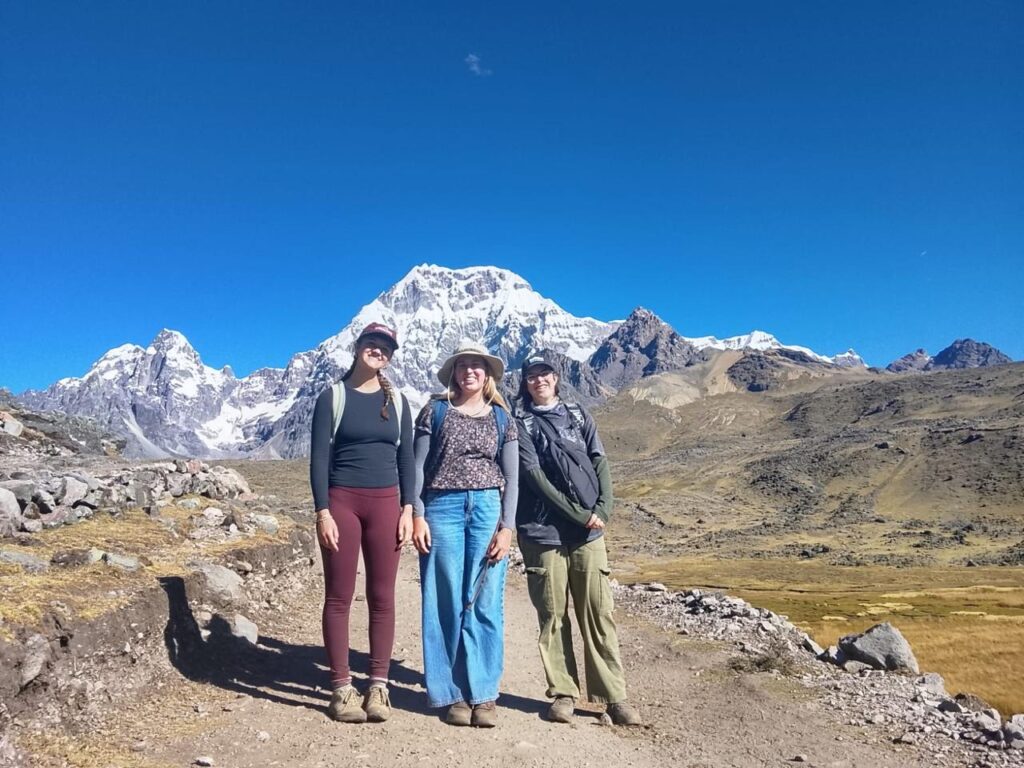
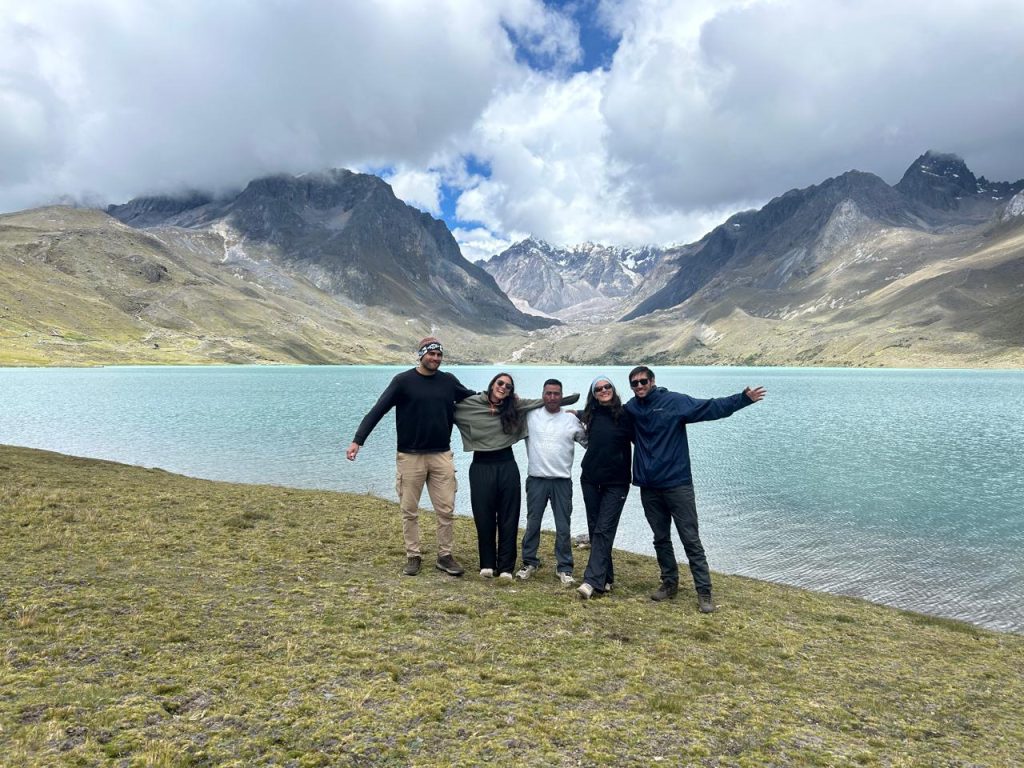
At Casa Cóndor Ausangate, we intentionally keep our group sizes small, capped between 2 and 8 travelers. Unlike large commercial tour operators that rush past the scenery, our small-group format ensures personalized attention, a comfortable pace, and a genuine connection with nature and indigenous Quechua culture. Whether you are traveling as a couple, a family, or a group of friends, you will have the space to soak in the mountain views without feeling pushed along.
Duffel Bag
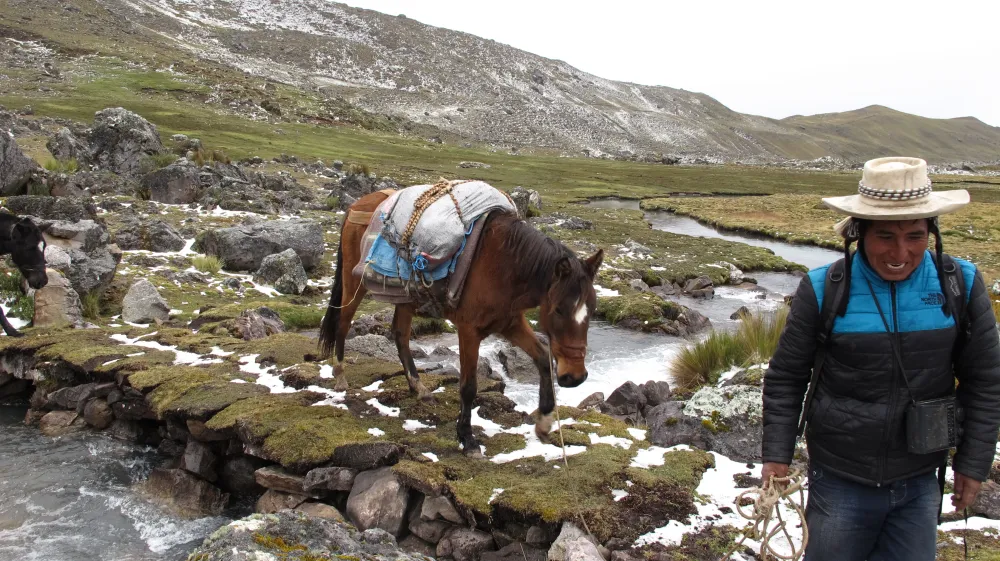
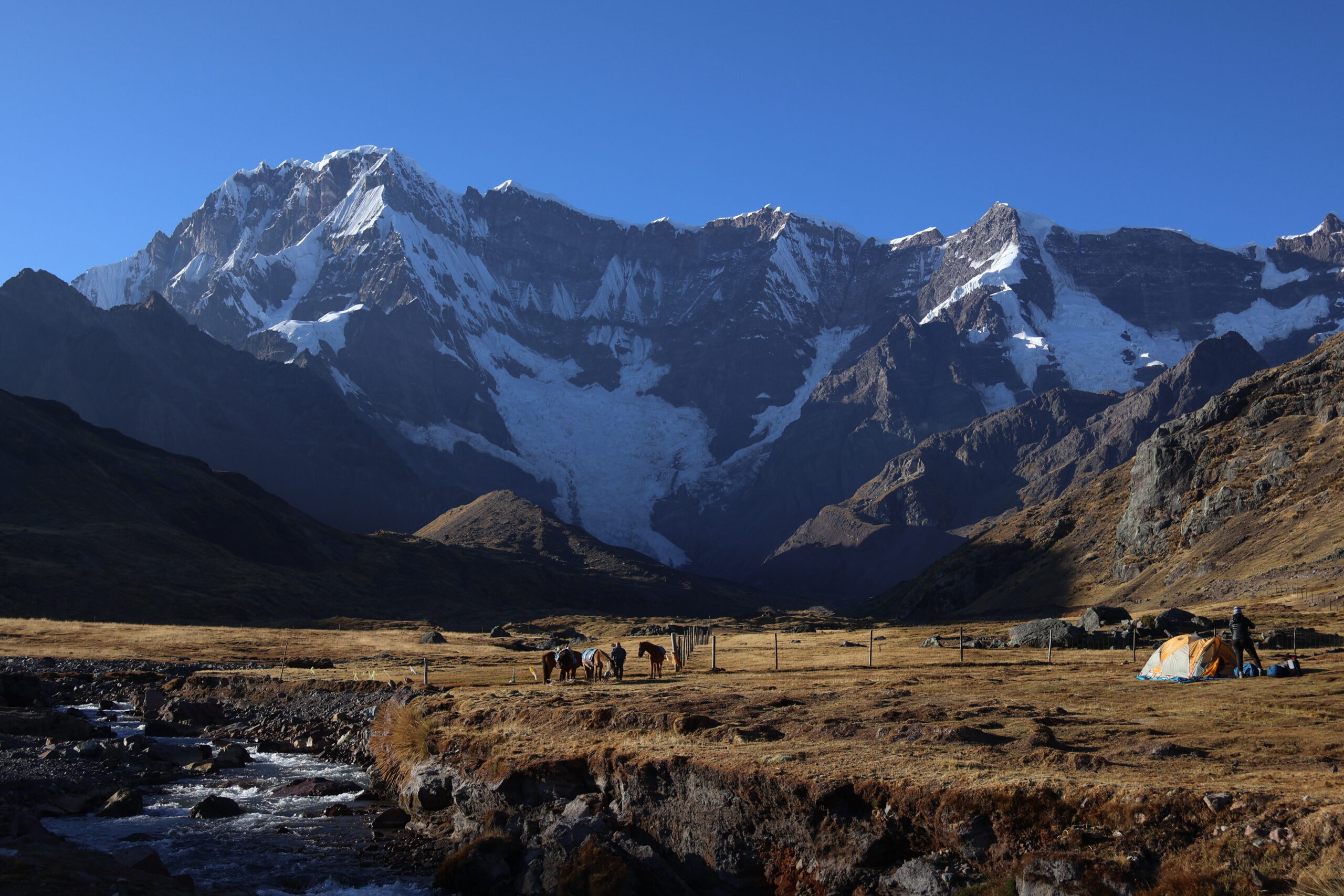
During your pre-trek orientation session in Cusco, we will provide you with a durable canvas duffel bag. Our pack horses and local horsemen (arrieros) will transport these duffel bags between campsites each day. Weight exactly 15 lbs (7 kg) per traveler. During the day, you will only carry a lightweight daypack containing your drinking water, rain gear, warm layers, sun protection, camera, snacks, passport, and daily medications.
Hotel Pickup
We provide door-to-door transportation pickup within Cusco city limits on Day 1. Your guide or driver will confirm your exact pickup window during the pre-trek orientation session (pickup times may vary by 30 to 45 minutes depending on morning traffic conditions). Historic Cusco features narrow, cobblestone streets, long staircases, and steep pedestrian alleyways where vehicles cannot drive. To ensure a smooth morning checkout and avoid carrying heavy luggage up steep hills, we strongly recommend booking an accessible hotel in or near the Historic Center with direct vehicle access.
High-Altitude Acclimatization
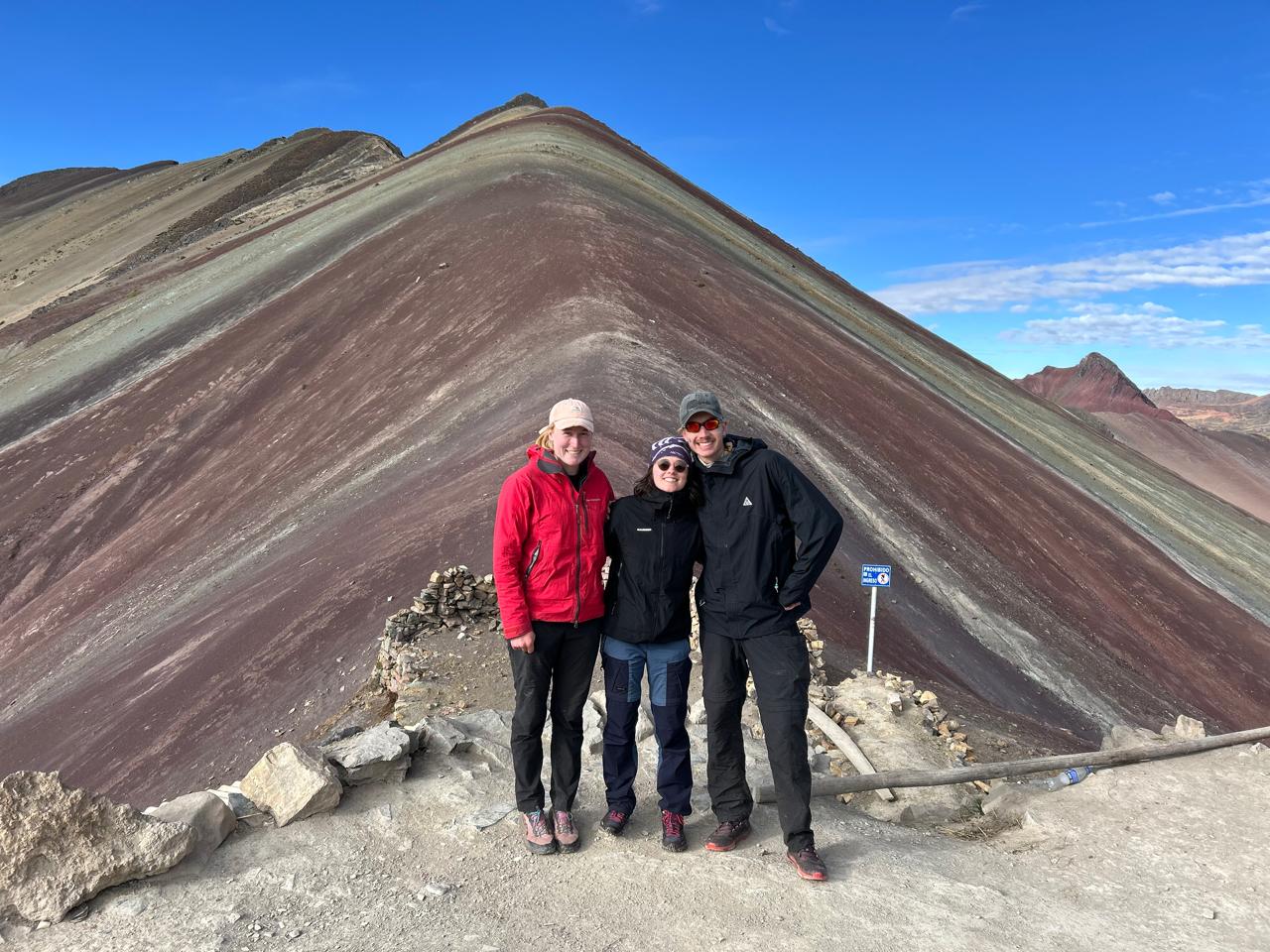
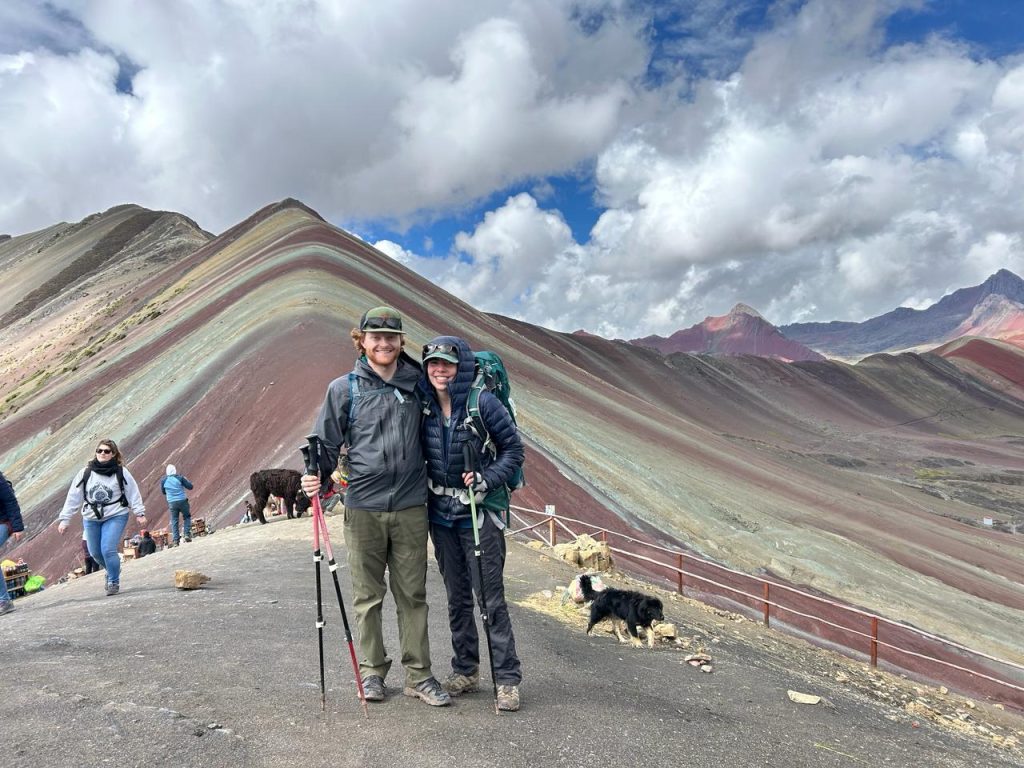
This trek takes place entirely at extreme elevations. You will hike consistently above 13,120 ft (4,000 m), cross mountain passes reaching up to 17,000 ft (5,200 m), and visit Rainbow Mountain (Vinicunca) at approximately 16,522 ft (5,036 m). Pre-Trek Stay: Spend at least 2 to 3 full days in Cusco (11,152 ft / 3,400 m) or the Sacred Valley prior to your start date. Drink plenty of water, eat light meals, get ample rest, and limit alcohol consumption before setting out. If you experience headaches, nausea, dizziness, extreme fatigue, confusion, or shortness of breath, inform your guide immediately.
Preparation
This trek is rated challenging to advanced. While it does not require technical rock climbing, you should be comfortable hiking 6 to 8 hours per day over steep, uneven terrain at extreme high altitude while sleeping in freezing campsite conditions.